Cancer Biology
Cancer biology is the study of the biological processes that cause normal cells to become cancerous, allow tumors to grow and evolve, and enable cancer cells to interact with surrounding tissues.
Researchers study cancer at multiple levels, including DNA, RNA, proteins, cells, tissues, and the tumor microenvironment. This multidisciplinary approach helps explain how cancer begins, how tumors change over time, why different cells within the same tumor can behave differently, and how interactions between cancer cells and surrounding cells influence disease progression.
Cura Cancer explores cancer biology through modern approaches in molecular biology, genomics, cell biology, immunology, pathology, single-cell analysis, spatial biology, and bioinformatics.
What Is Cancer Biology?
Cancer biology focuses on understanding the fundamental mechanisms underlying cancer.
At its core, researchers ask several connected questions:
- What changes in a normal cell allow it to become cancerous?
- How do cancer cells continue to grow and survive?
- Why are tumors biologically heterogeneous?
- How do cancer cells interact with immune and stromal cells?
- How do tumors change as they progress?
Research into these questions provides the biological foundation for understanding cancer and developing new approaches to cancer diagnosis, prevention, and treatment.
How Does a Normal Cell Become a Cancer Cell?
Normal cells are controlled by biological networks that regulate growth, division, DNA repair, metabolism, differentiation, and cell death.
Cancer can arise when genetic and molecular changes disrupt these controls.
Researchers investigate alterations involving:
- Oncogenes
- Tumor suppressor genes
- DNA repair pathways
- Cell-cycle regulation
- Cell signaling
- Epigenetic regulation
- Cellular metabolism
- Interactions with surrounding tissues
These changes do not occur in exactly the same way in every cancer. Different tumors can contain different combinations of molecular alterations, contributing to the biological diversity of cancer.
Understanding these alterations is one of the foundations of cancer biology research.
Explore Useful Resources
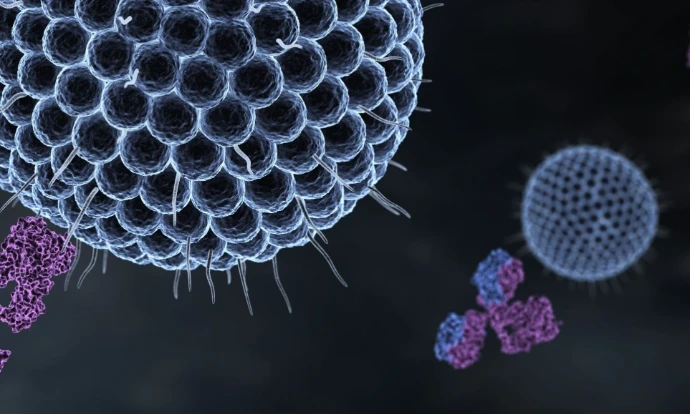
Cancer Biology
Learn how researchers study the biological mechanisms underlying cancer, including cancer cell growth, development, progression, metastasis, and interactions between cancer cells and their surrounding environment.
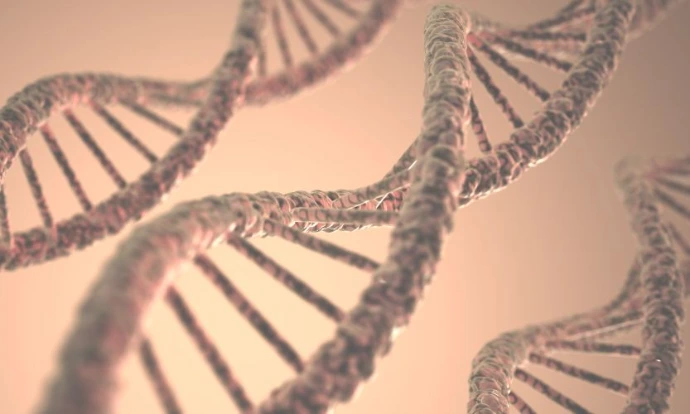
Cancer Genomics
Explore how researchers use genomics and molecular profiling to study genetic alterations, gene expression, proteins, and other molecular characteristics of cancer.
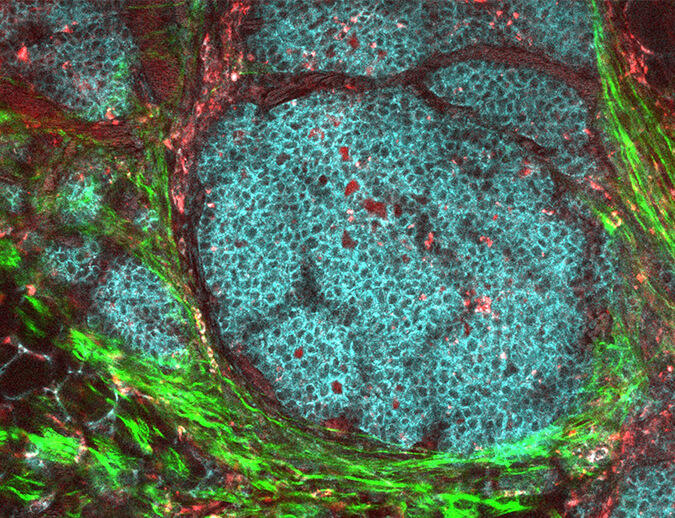
Tumor Microenvironment
Discover how cancer cells interact with immune, stromal, vascular, and other components of the tumor microenvironment and how these interactions influence cancer development and progression.